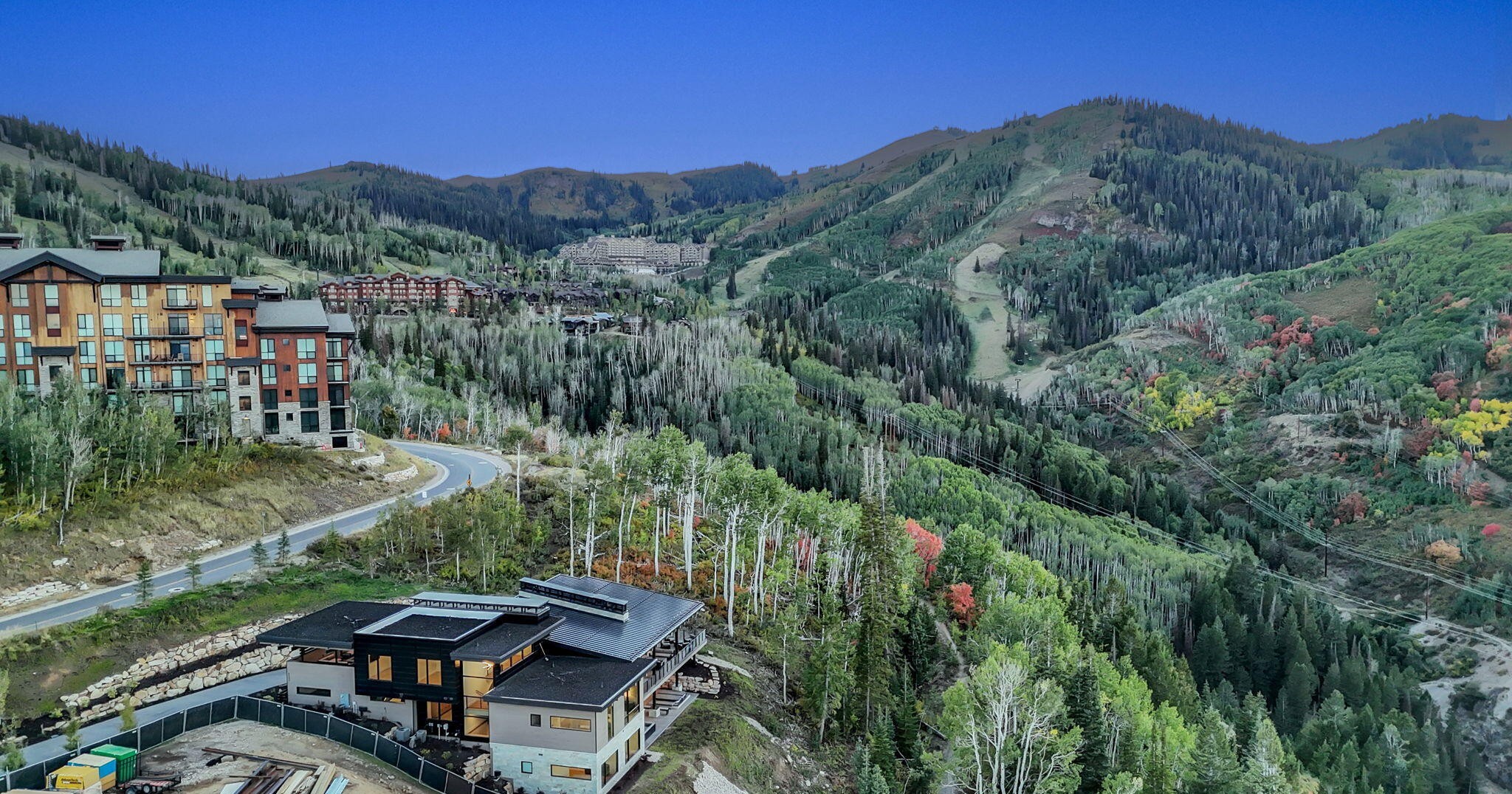
Late winter (Jan–Mar) and mid-summer (Jun–Aug) usually deliver Park City’s strongest buyer demand. The “best” window depends on your neighborhood, home type, and buyer segment—so pricing and launch timing should match the season’s buyer mix.
In Park City, timing isn’t a cliché—it’s strategy. You’re not just choosing a date; you’re choosing which buyer pool you want competing for your home, what lifestyle story your marketing can credibly tell, and how much leverage you’ll have during negotiation.
In 2026, you’ll also be selling into a market where buyers are more payment-sensitive than they were in the peak boom years, but still highly motivated when the product matches their use-case: ski access, summer trails, rental flexibility, or a low-friction second-home experience. That makes seasonal demand and buyer mix even more important—especially if you’re an absentee owner who needs the process to run smoothly without constant on-the-ground involvement.
This guide breaks down the best time to sell a home in Park City (2026) by season, explains what types of buyers show up when, and gives you a practical pricing and launch plan that works even if you live out of state.
1) Park City’s 2026 seasonality: you’re selling into different markets, not just different months
Park City behaves less like a single housing market and more like several overlapping micro-markets that rotate by season. Your ideal timing depends on whether your likely buyer is a skier, a summer lifestyle buyer, an investor, or a primary resident—and which neighborhood your home sits in (Old Town, Deer Valley, Canyons/Village area, Jeremy Ranch, Pinebrook, Silver Springs, Promontory, etc.).
The two “high-intent” demand peaks (and why they matter)
Most years, you’ll see the most emotionally engaged—and often most decisive—buyer demand in:
- Late winter (roughly January through March): ski-season buyers in town, experiencing the lifestyle in real time.
- Mid-summer (roughly June through August): second-home shoppers, families, and “I want to be here all summer” buyers; plus strong showing volume from vacationers.
These peaks aren’t just about traffic—they’re about context. When buyers are physically in Park City and actively using the amenities your home sells (snow, ski access, trails, dining, events), their willingness to act (and to pay for the right fit) increases.
Why shoulder seasons can still be “best” for you
Absentee owners often assume peak season automatically equals peak price. In practice, shoulder seasons can outperform if they reduce competition and let you stand out:
- Spring (April–May): fewer “tourist lookers,” often more serious locals and strategic second-home buyers. Inventory can feel tighter, and well-prepped homes photograph beautifully as light returns.
- Fall (September–early November): crisp weather, strong visuals, and buyers trying to secure a property before the holidays or ski season.
The Park City twist: weather and access change your “showability”
Park City is visual and experiential. Snowpack, plowed access, driveway grade, rooflines, and how a home “lives” in winter can either become a selling feature—or a friction point.
If your property is:
- Steep driveway / limited parking / complex snow management: winter showings may require extra planning to avoid negative first impressions.
- Trail-adjacent, outdoor-living oriented: summer photos and showings can create a stronger emotional pull than winter interiors alone.
- Ski-access or ski-adjacent: winter can be your proof-of-value season.
Your best time to sell in Park City in 2026 is the season that demonstrates your home’s core advantage with the least friction.
2) Seasonal buyer mix in Park City: who buys when (and what they pay for)
If you want top outcomes, you match your pricing strategy and marketing story to the buyer most likely to write the offer. In Park City, buyer motivation changes materially by season.
Winter (Dec–Mar): skier-driven urgency + lifestyle validation
In winter, the buyer pool skews toward:
- Second-home buyers prioritizing ski access (Deer Valley, Old Town, Canyons/Village area)
- Luxury buyers who want a “ready now” mountain base
- Some investment-minded buyers, but often with personal-use intent first
What they pay for in winter:
- Walkability/shuttle proximity, ski access, heated features (driveway, floors), hot tubs, mudrooms, gear storage
- Homes that feel easy in winter: plowed, well-lit, clearly maintained
Pricing implications:
- If your home strongly matches winter demand (ski access, turnkey, premium finishes), you can often justify a tighter pricing posture because the buyer’s emotional “fit” is immediate.
- If winter creates operational concerns (snow storage, tricky access, dark interiors), you may need to price with more cushion or invest in winter-specific presentation.
Summer (Jun–Aug): family schedules + “I could live here” conversion
In summer, you’ll see:
- Out-of-area buyers who return annually and finally decide to purchase
- Families timing moves with school calendars
- Primary-residence shoppers (often more value-analytical)
What they pay for in summer:
- Outdoor living (patios, decks, views), trail access, entertaining flow, air circulation, and natural light
- Neighborhood usability: parks, walkability, commute feasibility to Salt Lake
Pricing implications:
- Buyers compare more—there’s often more inventory and more time to tour. That can increase competition among listings, so presentation and pricing precision matter.
- Summer is ideal if your home’s strengths are experiential outdoors: views, decks, landscaping, trail proximity.
Spring and fall: “quietly serious” buyers and cleaner negotiations
In shoulder seasons, the buyer pool can be smaller but more focused:
- Locals and regional buyers who already know Park City
- Second-home buyers trying to be ready before peak season
- Investors who prefer calmer decision-making windows
What they pay for:
- Clarity: clean inspections, transparent disclosures, realistic pricing
- Reduced hassle: furnishings packages, vendor records, strong HOA documentation
Pricing implications:
- With fewer buyers, overpricing is punished quickly. But if inventory is low in your segment, you can still achieve excellent outcomes—often with less drama.
The takeaway: the best time to sell a home in Park City is the time when your most likely buyer is in town, emotionally engaged, and able to visualize immediate use.
3) 2026 pricing strategy: how to price for seasonality, negotiation leverage, and appraisal reality
In a luxury-leaning mountain market, pricing is both math and messaging. Your list price signals whether you’re inviting competition or testing the ceiling. In 2026, buyers are typically more sensitive to perceived overreach, especially when interest rates or carrying costs feel meaningful—even for affluent buyers who still care about opportunity cost.
Start with your “buyer lane,” not just comps
Comps matter, but in Park City you also price to a buyer segment:
- Turnkey, premium-located, updated homes: you can price with confidence if your home is the obvious “best choice” among alternatives.
- Homes needing updates or with seasonal friction (parking, access, layout): price to remove decision fatigue and account for the buyer’s renovation risk.
A practical approach that works well in Park City is to define three numbers:
- Market-credible (what the data supports today)
- Competition-killer (price that triggers urgency and showings immediately)
- Stretch (only defensible if you’re truly best-in-class and marketed flawlessly)
Your pricing should match your launch plan. If you’re launching into a high-demand period (late winter or mid-summer), a slightly sharper price can create multiple-offer dynamics. If you’re launching in a quieter period, accuracy matters more than ambition.
Use “days on market” as a leverage meter—especially in seasonal markets
In Park City, DOM isn’t just a statistic; it becomes a narrative. If you miss the first wave of high-intent buyers in a season, you can end up carrying the listing into a different buyer mix that negotiates harder.
A strong 2026 strategy is:
- Price for your first 14–21 days (when the listing is freshest and most widely circulated)
- Plan a pre-scheduled evaluation point (e.g., after the first two weekends of showings)
- If you’re not getting qualified traffic, adjust decisively—not gradually—before your season changes
Price + concessions: a realistic tool, not a giveaway
Depending on financing conditions and buyer psychology in 2026, some sellers choose to structure terms that preserve headline price while improving buyer affordability or reducing friction. This can include:
- Targeted closing cost support (where appropriate)
- Furnishings inclusion to reduce second-home setup burden
- Clear repair credits instead of open-ended punch lists
You’ll want your agent (and your attorney or tax advisor where needed) to structure this cleanly and compliantly. The goal is to protect your net and reduce renegotiation risk after inspection.
Appraisal and underwriting: plan early if your buyer is likely financed
Even in luxury segments, many buyers finance. In a market with fewer identical comps, appraisal support matters:
- Prepare a comp and upgrade package (dates, costs, permits where applicable)
- Document value drivers: HOA amenities, ski access, shuttle proximity, rental history (if applicable), and tangible improvements
- Make your home easy to “understand” as an asset, not just a vibe
Pricing in Park City isn’t about “highest number.” It’s about the highest number a real buyer will execute on quickly in your chosen season.
4) The absentee-owner playbook: a remote-ready timeline for prep, photos, launch, and showings
If you don’t live in Park City full-time, your biggest risk is not price—it’s execution drift. Small delays (vendors, snow management, staging, access) can cause you to miss the best launch window, which can cost you real leverage.
Here’s a remote-friendly plan that aligns with Park City seasonality.
6–10 weeks before listing: build your “vendor stack” and scope
Lock in:
- Handyman + GC (as needed), cleaner, window cleaner
- Snow management (winter) or landscaping (summer)
- Photographer/video team (ideally with aerial and twilight capability)
- Stager or design consultation (even partial staging helps)
Absentee-owner tip: ask for photo documentation after each vendor visit and use a shared checklist (simple, but it prevents expensive rework).
3–6 weeks before listing: fix friction, not perfection
High-ROI items in Park City often include:
- Lighting upgrades (warm, consistent temperature), fresh paint in key areas
- Entry experience: mats, hooks, benches, mudroom organization
- Mechanical confidence: service records for HVAC, humidifiers, fireplaces, hot tub
- Safety/access: railings, exterior lighting, door hardware, garage function
Winter-specific: ensure driveway edges, stairs, and walkways are safe and visibly maintained—buyers notice immediately.
2–3 weeks before listing: capture the right season in your media
Your media should match your season’s buyer:
- Winter: cozy interiors, gear storage, hot tub steam, fireplace, proximity shots (tasteful and accurate)
- Summer: decks, views, trail access, outdoor dining, sunset/twilight
If you’re debating whether to wait for “better photos,” remember: missing the season can be costlier than marginally better landscaping or snow aesthetics. A skilled team can shoot in a way that sells today.
Launch week: access, showing instructions, and a clean feedback loop
Remote sellers succeed when showings are frictionless:
- Smart lockbox with controlled access and clear instructions
- HOA rules summarized (parking, pets, rental restrictions) for agents
- A plan for short-notice showings (especially during peak visitor weeks)
Set a cadence:
- Feedback after the first 5–10 showings
- A data review after weekend one (traffic sources, saves, inquiries, showing-to-offer signals)
Contract-to-close: reduce renegotiation risk with preparation
Absentee owners benefit from upfront clarity:
- Pre-list inspection (optional, but can reduce surprises)
- Organized HOA docs, utility costs, and service providers list
- Clear disclosures and receipts for improvements
Remote signing is typically straightforward, but you’ll want your timeline coordinated early with escrow/title and your advisor so you’re not compressing decisions during inspection or appraisal windows.
The goal: you choose the best time to sell in Park City—and your listing machine actually hits that window on schedule.
FAQ
1) Is spring or fall a bad time to sell a home in Park City?
Not necessarily. Spring and fall can be excellent if your home shows well without “peak-season crutches” and if inventory in your niche is limited. The key is pricing accurately and launching with strong media so you don’t languish into a slower demand period.
2) Should I sell furnished or unfurnished in Park City?
For many second-home buyers, furnished (or at least optionally furnished) reduces friction and can widen your buyer pool—especially for turnkey condos and vacation-oriented properties. The right approach depends on your furnishings quality, HOA/rental positioning, and how your price compares to competing listings.
3) What’s the single biggest mistake absentee owners make when selling?
Missing the season because prep drags on. In Park City, a delayed launch can mean you’re suddenly selling to a different buyer mix with different priorities and negotiating behavior. Build a timeline backward from your ideal launch week and lock vendors early.
The best time to sell a home in Park City in 2026 is when your home’s strongest lifestyle advantage is easiest for a buyer to experience—typically late winter for ski-driven demand or mid-summer for outdoor living and family schedules. From there, your outcome depends on execution: season-matched marketing, a pricing plan designed for the first 2–3 weeks on market, and a remote-ready process that keeps prep and negotiations tight.
If you want, I can put together a custom valuation and timing plan tailored to your exact neighborhood, home type, and whether you’re targeting ski buyers, summer lifestyle buyers, or investors—plus a remote listing roadmap that covers vendors, staging, media, and a launch calendar built around your ideal 2026 window.